7 min read • 1,542 words
Best Open Source Software for Developers in 2026
As we step into 2026, the landscape of open source software continues to evolve, fostering collaboration and innovation among developers worldwide. Understanding the best open source software for developers in 2026 is crucial for anyone looking to enhance their coding skills, streamline their workflow, or contribute to community-driven projects. This article will explore the top tools and platforms that are shaping the future of software development, including the significance of GitHub, the dominance of Python, and the impact of AI tools.
In this guide, readers will learn about the essential open source software that is making waves in the developer community. From containerization tools like Docker and Kubernetes to the latest advancements in AI-driven development, we will provide insights into how these technologies are transforming the way developers work. Join us as we delve into the best open source software for developers in 2026 and discover how to leverage these tools for success.
Top Programming Languages and Frameworks
As we look into 2026, the landscape of open source programming languages continues to evolve, offering developers a plethora of options to choose from. Among the most popular languages, Python, JavaScript, and Rust are leading the charge due to their versatility and strong community support. Python remains a favorite for data science and machine learning, while JavaScript continues to dominate web development. Rust, known for its performance and safety features, is gaining traction in system-level programming.
Key frameworks that enhance developer productivity include Django for Python, React for JavaScript, and Rocket for Rust. These frameworks provide robust tools and libraries that streamline the development process, allowing developers to focus on building features rather than dealing with boilerplate code. For instance, Django’s built-in admin panel and ORM simplify database interactions, while React’s component-based architecture promotes reusability and efficient UI design.
- Python: Django, Flask
- JavaScript: React, Angular, Vue.js
- Rust: Rocket, Actix
Community support and resources are abundant for each of these languages. Platforms like GitHub and Stack Overflow foster collaboration and knowledge sharing, while extensive documentation and tutorials are readily available online. Additionally, trends in language usage indicate a growing interest in functional programming paradigms, with languages like Elixir and Haskell slowly gaining popularity among developers seeking new approaches to problem-solving.
In summary, the best open source software for developers in 2026 is characterized by a rich ecosystem of programming languages and frameworks, each offering unique advantages and strong community backing.
Essential Development Tools and IDEs
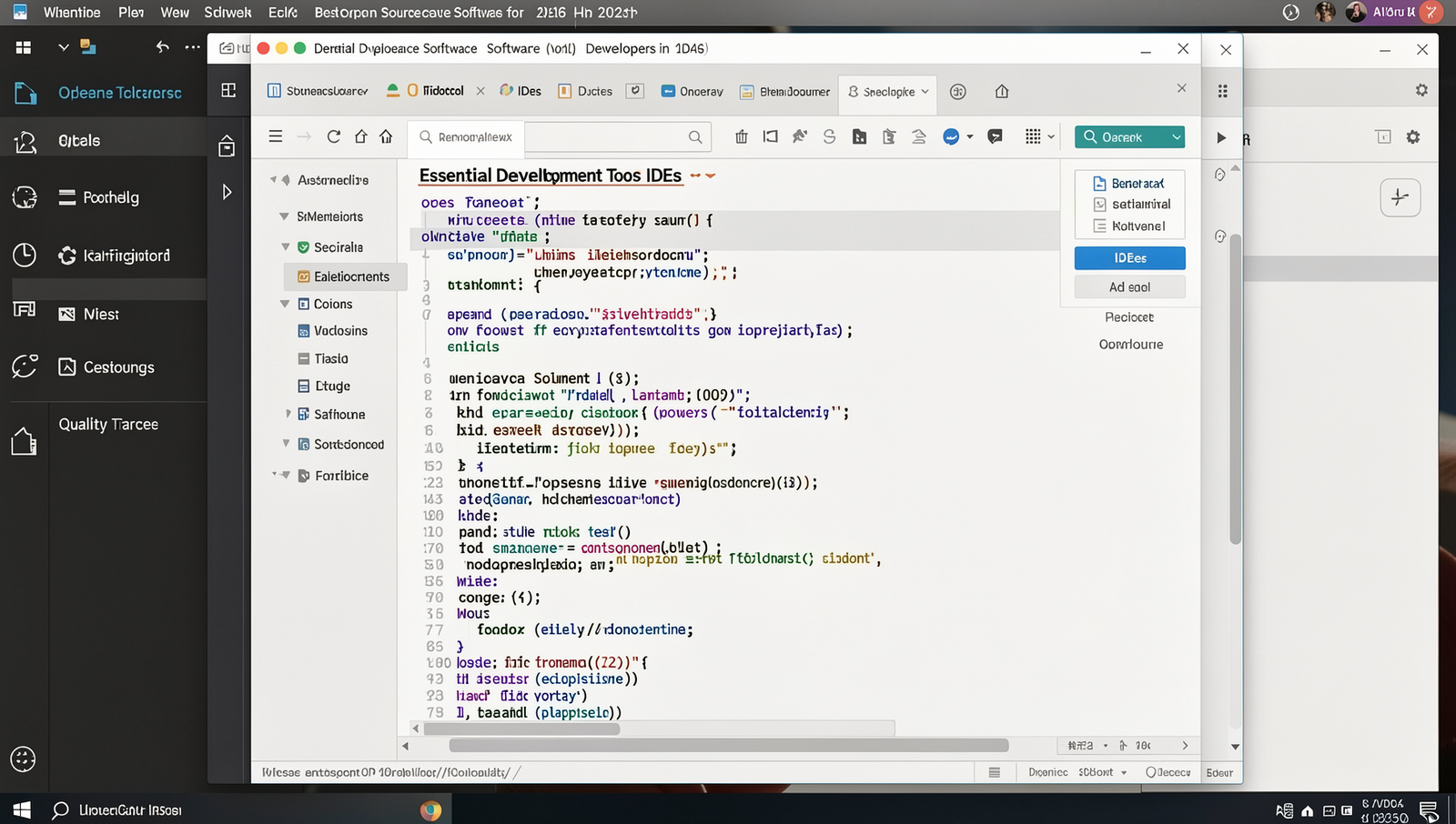
As we look ahead to 2026, the landscape of development tools continues to evolve, with open source software leading the charge. For developers seeking the best open source software for developers 2026, several Integrated Development Environments (IDEs) stand out due to their versatility and robust features.
Here’s a list of some of the best open source IDEs catering to various programming languages:
- Visual Studio Code – A lightweight yet powerful source code editor that supports numerous languages through extensions.
- Eclipse – Primarily known for Java, it also supports C/C++, PHP, and more through plugins.
- Atom – A hackable text editor for the 21st century, perfect for web development with HTML, CSS, and JavaScript.
- PyCharm Community Edition – A popular choice for Python developers, offering intelligent code assistance and debugging tools.
- NetBeans – A versatile IDE that supports Java, PHP, and HTML5, with a strong focus on web development.
What makes these tools stand out are their rich features, such as:
- Customizable interfaces that allow developers to tailor their workspace.
- Built-in version control integration, enabling seamless collaboration.
- Extensive plugin ecosystems that enhance functionality and support for various languages.
Moreover, these IDEs boast strong integration capabilities with other software and platforms, making it easier to deploy applications and manage dependencies. The user community surrounding these tools is also a significant asset, providing forums and resources for troubleshooting and support. This collaborative environment ensures that developers can find solutions quickly and share knowledge, fostering continuous improvement and innovation in the open source ecosystem.
Version Control and Collaboration Tools
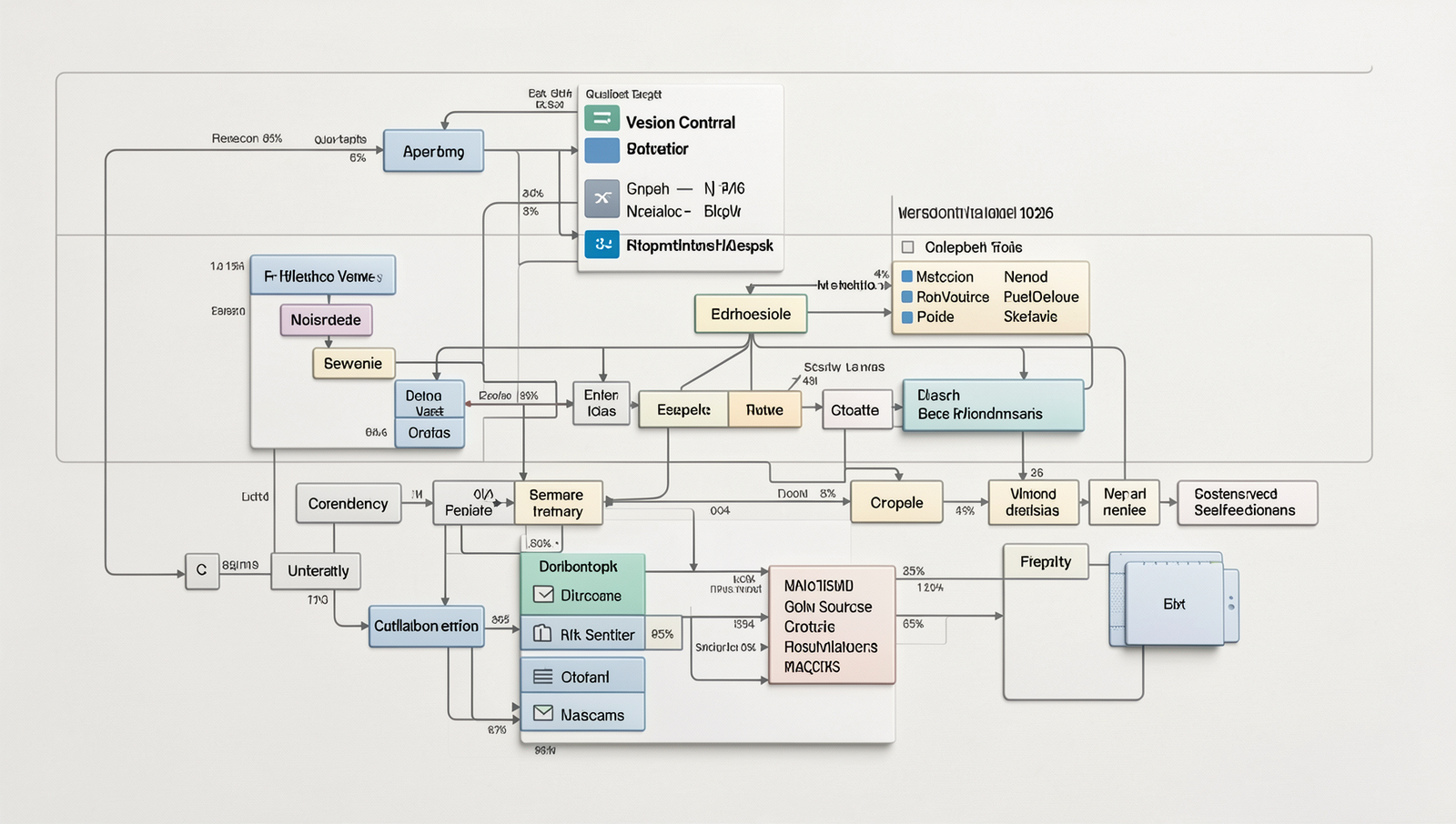
In the fast-paced world of software development, version control systems (VCS) have become a cornerstone for managing code changes and facilitating collaboration among developers. The importance of version control cannot be overstated; it allows teams to track changes, revert to previous versions, and maintain a clear history of their project. This is especially crucial in modern development environments where multiple contributors work on the same codebase simultaneously.
As we look ahead to 2026, several open source version control systems stand out for their robust features and widespread adoption:
- Git: The most popular VCS, Git enables distributed version control, allowing developers to work offline and sync changes later. Its branching and merging capabilities are unparalleled.
- Subversion (SVN): While not as widely used as Git, SVN offers a centralized version control approach that some teams prefer for its simplicity and ease of use.
- Mercurial: Known for its performance and scalability, Mercurial is another distributed VCS that supports large projects and teams.
Collaboration features in these tools significantly enhance team productivity. For example, GitHub and GitLab provide platforms for code review, issue tracking, and project management, making it easier for teams to collaborate effectively. Integrating these tools into the development workflow can streamline processes and reduce bottlenecks.
To use these tools effectively, developers should adhere to best practices such as committing changes frequently, writing clear commit messages, and utilizing branching strategies. By doing so, teams can maintain a clean project history and facilitate smoother collaboration, ultimately leading to more successful software development outcomes.
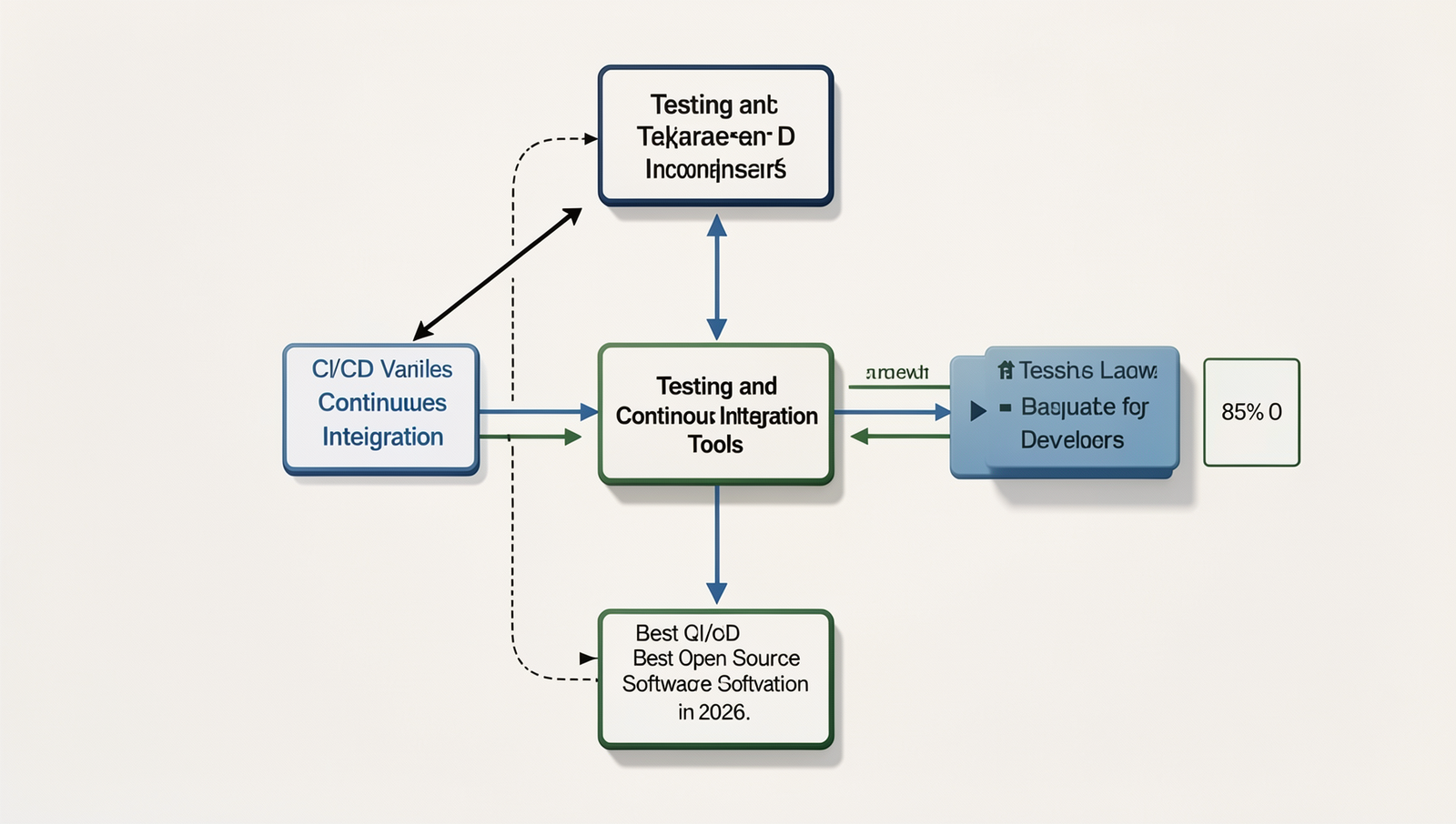
Testing and Continuous Integration Tools
Testing plays a crucial role in the software development lifecycle, ensuring that applications function as intended and meet user expectations. It helps identify bugs and issues early, reducing the cost of fixing them later in the development process. In 2026, developers are increasingly relying on open source testing frameworks and tools that provide robust solutions for various testing needs.
Some of the top open source testing frameworks include:
- JUnit: A widely used framework for unit testing in Java applications, JUnit helps developers write and run repeatable tests.
- Selenium: This tool is essential for automating web applications for testing purposes. It supports multiple browsers and operating systems.
- TestNG: Inspired by JUnit, TestNG offers advanced features such as data-driven testing and parallel test execution.
- Postman: While primarily known for API testing, Postman also allows for automated testing and can be integrated into CI/CD pipelines.
Continuous integration (CI) tools are vital for streamlining deployment processes. They automate the integration of code changes from multiple contributors into a shared repository. Some of the best open source CI tools include:
- Jenkins: A highly extensible automation server that supports building, deploying, and automating projects.
- GitLab CI: Integrated with GitLab, it provides a seamless workflow for CI/CD, allowing for easy configuration and management.
- Travis CI: Popular among open source projects, it automatically builds and tests code changes in GitHub repositories.
Case studies of successful implementations highlight the effectiveness of these tools. For instance, a well-known tech company adopted Jenkins for its CI process, resulting in a 30% reduction in deployment time and significantly fewer production issues. Similarly, another organization utilized Selenium for automated testing, which led to a 50% increase in test coverage and improved overall software quality.
In conclusion, the best open source software for developers in 2026 emphasizes the importance of testing and continuous integration, empowering teams to deliver high-quality software efficiently.
Conclusion
As we look ahead to 2026, the landscape of open source software continues to evolve, offering developers a plethora of tools that enhance productivity, collaboration, and innovation. The best open source software for developers in 2026 not only provides robust functionality but also fosters a vibrant community that contributes to ongoing improvements and support. From powerful coding environments to efficient project management tools, these resources empower developers to streamline their workflows and focus on creativity rather than technical hurdles.
In summary, embracing the best open source software for developers in 2026 is essential for anyone looking to stay competitive in the tech industry. As you explore these tools, consider how they can integrate into your existing projects and workflows. Take the next steps by experimenting with different software options, engaging with the community, and contributing to projects that resonate with your interests. This proactive approach will not only enhance your skills but also position you at the forefront of technological advancements.
Frequently Asked Questions
What is open source software?
Open source software is software with source code that anyone can inspect, modify, and enhance. This collaborative approach allows developers to contribute to projects, improve functionality, and fix bugs, fostering innovation and community-driven development.

Why should developers use open source software?
Developers should use open source software because it promotes transparency, flexibility, and cost-effectiveness. It allows them to customize tools to fit their needs, learn from the community, and leverage a vast array of resources and libraries available for various programming tasks.
What are some popular open source tools for developers in 2026?
In 2026, popular open source tools for developers include Git