6 min read • 1,322 words
Best IDEs for Python Development in 2026
As we move into 2026, the landscape of Python development continues to evolve, making it essential for developers to stay informed about the best IDEs available. The choice of an Integrated Development Environment (IDE) can significantly impact productivity, code quality, and overall development experience. In this article, we will explore the best IDEs for Python development in 2026, highlighting their unique features and advantages.
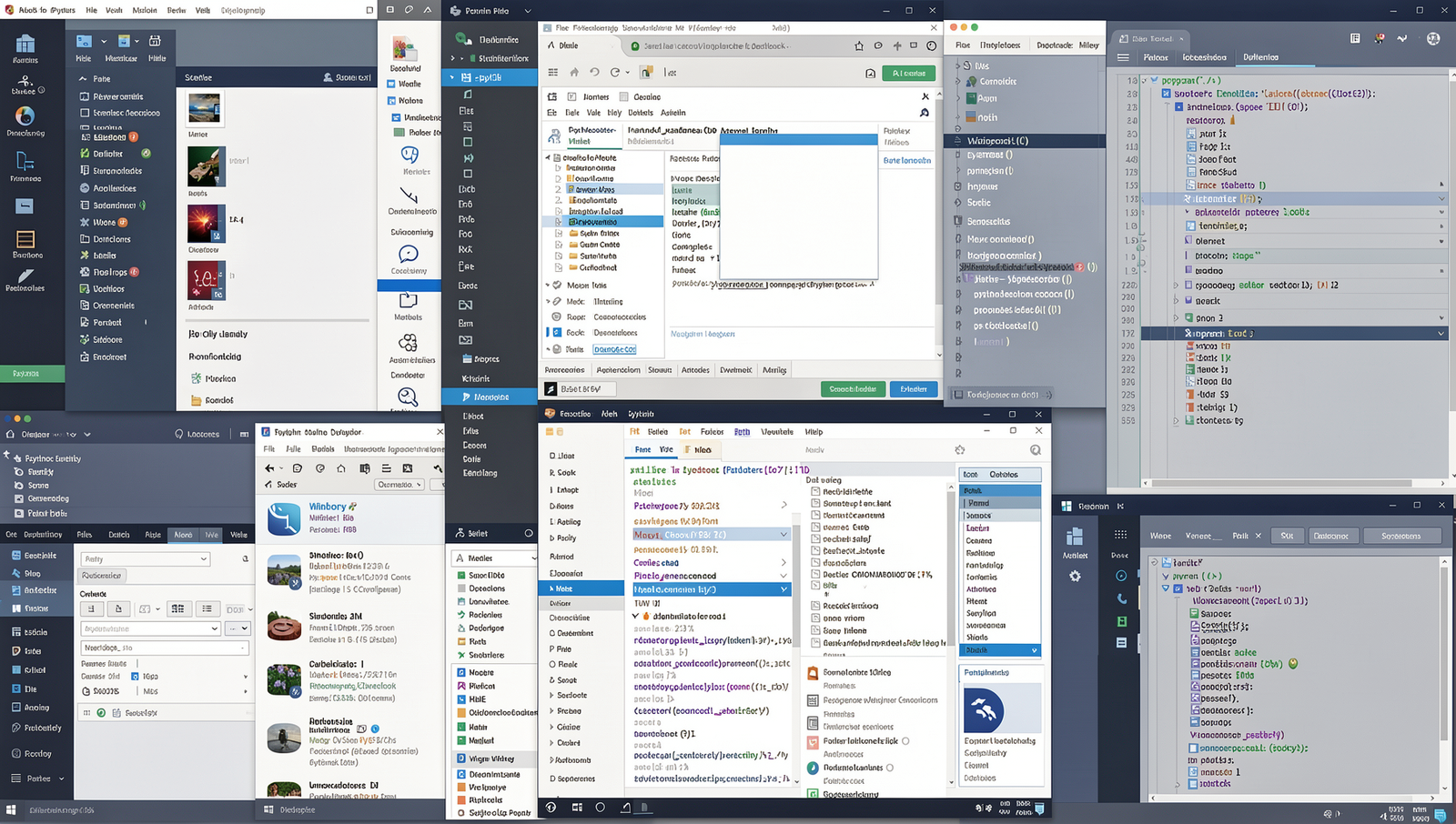
Readers will learn about the leading IDEs, including PyCharm, which remains a favorite due to its robust features and tools. We will also discuss the rising popularity of Visual Studio Code, known for its lightweight nature and extensive extensions. Additionally, we will cover JupyterLab’s advancements for data science, Spyder’s appeal to scientists and engineers, and Atom’s customization options. Understanding these IDEs will help developers choose the right tools for their projects and enhance their coding efficiency.
Top Features to Look for in Python IDEs
When selecting the best IDEs for Python development in 2026, it is essential to consider several key features that can significantly enhance your coding experience. These features not only improve productivity but also streamline the development process, making it easier to manage complex projects.
- Intelligent Code Completion: This feature predicts what you are going to type next, offering suggestions that can save time and reduce errors. For instance, when you start typing a function name, the IDE can suggest the complete name and its parameters, allowing you to code more efficiently.
- Integrated Debugging Tools: A robust debugging tool is crucial for identifying and fixing errors quickly. IDEs with integrated debuggers allow you to set breakpoints, inspect variables, and step through your code line by line. This functionality is invaluable for troubleshooting complex issues.
- Version Control Integration: Collaboration is a significant aspect of modern software development. IDEs that offer seamless integration with version control systems like Git enable developers to manage code changes effectively. You can commit, push, and pull changes directly from the IDE, simplifying the workflow.
- Customizable User Interface: Every developer has unique preferences. A customizable interface allows users to arrange panels, themes, and shortcuts according to their workflow. This personalization can lead to a more comfortable and productive coding environment.
By focusing on these features, developers can choose the best IDEs for Python development in 2026 that align with their needs and enhance their overall programming experience.
Comparative Analysis of IDEs
When evaluating the best IDEs for Python development in 2026, several key factors come into play, including performance benchmarks, ease of setup, community support, and cost considerations. Each of these aspects can significantly influence a developer’s choice of IDE.
Performance benchmarks are crucial for assessing an IDE’s speed and resource usage. For instance, IDEs like PyCharm and Visual Studio Code have been noted for their robust performance, even when handling large codebases. In contrast, lighter editors such as Atom and Sublime Text may consume fewer resources, making them ideal for smaller projects or less powerful machines. Developers often run tests to compare loading times and responsiveness, which can be done using the following command:
pytest performance_tests.pyEase of setup and the learning curve are particularly important for beginners. IDEs like Thonny are designed specifically for newcomers, providing a simple interface and guided tutorials. On the other hand, more complex IDEs like PyCharm offer extensive features but may overwhelm new users. A beginner might find it beneficial to start with a simpler tool before transitioning to a more advanced environment.
Community support and available plugins also play a significant role in the usability of an IDE. Platforms like Visual Studio Code boast a vast library of extensions, allowing developers to customize their environments extensively. In contrast, some paid options may have limited plugin availability, which could restrict functionality.
Finally, cost considerations cannot be overlooked. While many excellent free IDEs exist, such as VS Code and Atom, some developers may prefer the advanced features of paid options like PyCharm Professional. Ultimately, the choice of the best IDEs for Python development in 2026 will depend on individual needs and project requirements.
Future Trends in Python Development Environments
As we look ahead to 2026, the landscape of Python development environments is poised for significant transformation. One of the most notable trends is the increased integration of artificial intelligence tools that provide intelligent code suggestions. These AI-driven features will not only enhance productivity but also assist developers in writing cleaner, more efficient code. For instance, IDEs may leverage machine learning algorithms to analyze coding patterns and offer real-time suggestions, thereby reducing the likelihood of errors.
Another emerging trend is the rise of cloud-based IDEs, which facilitate enhanced collaboration among developers. With teams increasingly working remotely, cloud-based platforms allow multiple users to access and edit code simultaneously from different locations. This shift not only streamlines the development process but also fosters a more inclusive environment for team members. Examples of such IDEs include Replit and GitHub Codespaces, which are already gaining traction in the developer community.
Moreover, the focus on remote development capabilities is becoming paramount. IDEs are expected to incorporate features that support seamless remote work, such as integrated terminal access and virtual environments. This will enable developers to work on projects from anywhere, ensuring flexibility and efficiency.
Lastly, security features in coding environments are becoming increasingly important. As cyber threats evolve, IDEs will need to implement robust security measures to protect sensitive code and data. This may include built-in vulnerability scanners and secure coding practices to safeguard against potential breaches.
- AI tools for code suggestions
- Cloud-based IDEs for collaboration
- Remote development capabilities
- Enhanced security features
These trends will shape the best IDEs for Python development in 2026, making them more powerful and user-friendly than ever before.
Conclusion
As we look ahead to 2026, the landscape of Python development continues to evolve, with several Integrated Development Environments (IDEs) standing out for their unique features and capabilities. The best IDEs for Python development in 2026, such as PyCharm, Visual Studio Code, and Jupyter Notebook, offer robust tools that enhance productivity, streamline workflows, and support collaborative coding. Each IDE caters to different needs, whether you are a beginner seeking an intuitive interface or an experienced developer looking for advanced debugging and testing features.
Choosing the right IDE can significantly impact your development experience and efficiency. As Python remains a dominant language in various fields, including data science, web development, and automation, leveraging the best IDEs for Python development in 2026 will empower developers to create high-quality applications. As you explore these options, consider your specific requirements and preferences to find the IDE that best suits your workflow and enhances your coding journey.
Frequently Asked Questions
What is the best IDE for Python in 2026?
In 2026, the best IDE for Python development is widely considered to be PyCharm. Its robust features, including intelligent code assistance, debugging tools, and seamless integration with various frameworks, make it an ideal choice for both beginners and experienced developers.
Are there free IDE options for Python?
Yes, there are several free IDE options available for Python in 2026. Notable mentions include Visual Studio Code, which offers extensive extensions, and Thonny, which is beginner-friendly. Both provide essential features for effective Python programming without any cost.
Is Jupyter Notebook still relevant in 2026?
Absolutely, Jupyter Notebook remains highly relevant in 2026, especially for data science and machine learning. Its interactive environment allows for easy visualization and documentation of code, making it a preferred tool for researchers and educators in the field.
What features should I look for in a Python IDE?
When choosing a Python IDE, consider features like code completion, debugging capabilities, version control integration, and support for virtual environments. Additionally, a user-friendly interface and extensive plugin support can significantly enhance your development experience.