
6 min read • 1,311 words
What Is .NET and What Can You Build With It?
What Is .NET? It is a free, open-source developer platform created by Microsoft that enables developers to build a wide range of applications. From web applications to mobile apps, .NET provides a robust framework that supports multiple programming languages, including C#, F#, and VB.NET. This versatility makes it an essential tool for developers looking to create efficient and scalable software solutions.
In this article, you will learn about the various components of the .NET ecosystem, including ASP.NET for web development and Xamarin for mobile applications. Additionally, we will explore how .NET allows for cross-platform development, enabling applications to run seamlessly on Windows, macOS, and Linux. Understanding .NET is crucial for any developer aiming to stay competitive in today’s technology landscape, as it offers powerful tools and resources to enhance productivity and innovation.
Core Features of .NET
One of the most significant aspects of What Is .NET is its language interoperability, which allows developers to use multiple programming languages within the same application. This means that a developer can write parts of an application in C#, while another part can be developed in Visual Basic or F#. This flexibility enables teams to leverage the strengths of different languages and allows for a more efficient development process.
Additionally, .NET provides robust libraries and APIs that simplify the development process. These libraries offer pre-built functions and tools that developers can use to perform common tasks, such as data manipulation, file handling, and network communication. For example, the Entity Framework library allows developers to interact with databases using object-oriented programming, making data access more intuitive.
- Security features: .NET includes built-in security measures such as code access security and role-based security, which help protect applications from unauthorized access and vulnerabilities.
- Application management: The .NET framework provides tools for managing application lifecycles, ensuring that applications run smoothly and efficiently.
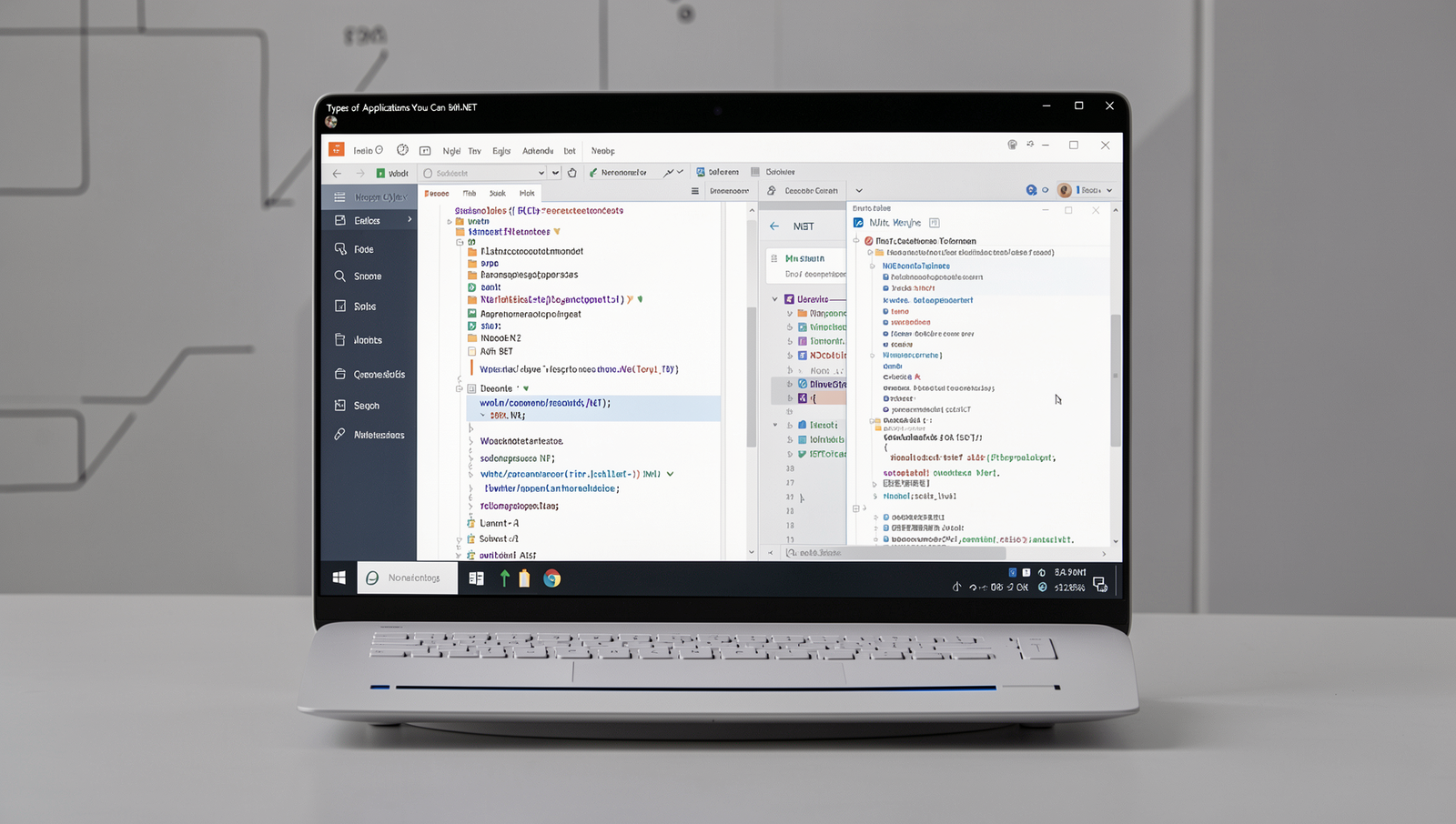
Moreover, the development tools and IDEs available for .NET, such as Visual Studio and Visual Studio Code, enhance the development experience. These tools offer features like debugging, code completion, and version control integration, which streamline the coding process and improve productivity. With such comprehensive support, developers can build a wide range of applications, from web services to desktop applications, all while taking advantage of the powerful features that .NET has to offer.
Types of Applications You Can Build with .NET
.NET is a versatile framework that allows developers to create a wide range of applications. From web applications to mobile solutions, .NET provides the tools and libraries necessary to build robust and scalable software. Here are some of the main types of applications you can develop using .NET.
- Web Applications using ASP.NET: ASP.NET is a powerful framework for building dynamic web applications. It supports MVC (Model-View-Controller) architecture, which helps in organizing code efficiently. Developers can create responsive and interactive websites that can handle high traffic loads. For example, e-commerce platforms and content management systems are often built using ASP.NET.
- Desktop Applications with Windows Forms and WPF: For desktop applications, .NET offers Windows Forms and Windows Presentation Foundation (WPF). Windows Forms is great for traditional desktop applications, while WPF allows for more modern UI designs with rich graphics. Applications like inventory management systems and financial software can be developed using these technologies.
- Mobile Applications with Xamarin: Xamarin enables developers to create cross-platform mobile applications using .NET. This means you can write your code once and deploy it on both iOS and Android devices. Popular apps like Storyo and Alaska Airlines use Xamarin to deliver seamless user experiences across platforms.
- Cloud-based Applications with Azure Integration: .NET seamlessly integrates with Microsoft Azure, allowing developers to build cloud-based applications that are scalable and reliable. This is ideal for applications that require high availability and can benefit from cloud services, such as data storage and machine learning.
In summary, .NET is a powerful framework that supports a variety of application types, making it a popular choice among developers for building modern software solutions.

Getting Started with .NET
To begin your journey with .NET, the first step is to set up your development environment. The most popular choice for .NET development is Visual Studio, an integrated development environment (IDE) that provides a comprehensive set of tools for building applications. You can download Visual Studio from the official Microsoft website. Additionally, you will need to install the .NET SDK, which includes the necessary tools and libraries to develop .NET applications. You can download the .NET SDK from the .NET website.
Once you have installed Visual Studio and the .NET SDK, you can create your first .NET application by following these steps:
- Open Visual Studio and select “Create a new project.”
- Choose a project template, such as “Console App” or “ASP.NET Core Web Application.”
- Configure your project settings, including the project name and location.
- Click “Create” to generate your project.
- Write your code in the provided editor and save your changes.
- Run your application by clicking the “Start” button or pressing
F5.
For those looking to deepen their understanding of .NET, there are numerous resources available. The official Microsoft documentation is a great starting point, providing detailed guides and API references. Online platforms like Pluralsight, Udemy, and freeCodeCamp offer tutorials tailored to various skill levels. Additionally, engaging with communities on forums such as Stack Overflow or Reddit can provide support and insights from experienced developers.
When developing with .NET, adhering to best practices is crucial. This includes writing clean, maintainable code, utilizing version control systems like Git, and following design patterns that enhance the structure and readability of your applications. By following these guidelines, you can ensure that your .NET projects are robust and scalable.
Conclusion
In summary, .NET is a versatile and powerful framework that enables developers to create a wide range of applications, from web and mobile to desktop and cloud-based solutions. Its extensive libraries and support for multiple programming languages, including C# and F#, make it an attractive choice for developers looking to build robust and scalable applications. The integration with various tools and services, such as Azure, enhances its capabilities, allowing for seamless deployment and management of applications in the cloud.
As you explore the question of “What Is .NET,” consider the benefits it offers, such as cross-platform compatibility and a strong community support system. Whether you are a seasoned developer or just starting, .NET provides the resources and flexibility needed to bring your ideas to life. To get started, explore the official documentation, engage with community forums, and experiment with sample projects to fully leverage the potential of .NET in your development journey.
Frequently Asked Questions

What is .NET?
.NET is a versatile software development framework created by Microsoft. It provides developers with tools and libraries to build applications for various platforms, including web, desktop, mobile, and cloud. .NET supports multiple programming languages, making it accessible for a wide range of developers.
What types of applications can be built with .NET?
With .NET, developers can create a variety of applications, including web applications using ASP.NET, desktop applications with Windows Forms or WPF, mobile applications through Xamarin, and cloud-based services with Azure. This flexibility makes .NET suitable for diverse project needs.
Is .NET open source?
Yes, .NET is open source. Microsoft has made significant portions of the .NET framework available on GitHub, allowing developers to contribute to its development. This open-source approach fosters collaboration and innovation within the developer community, enhancing the framework’s capabilities.
What languages can be used with .NET?
.NET supports multiple programming languages, including C#, F#, and Visual Basic. This multi-language support allows developers to choose the language they are most comfortable with, making it easier to work on projects and collaborate with others in the .NET ecosystem.